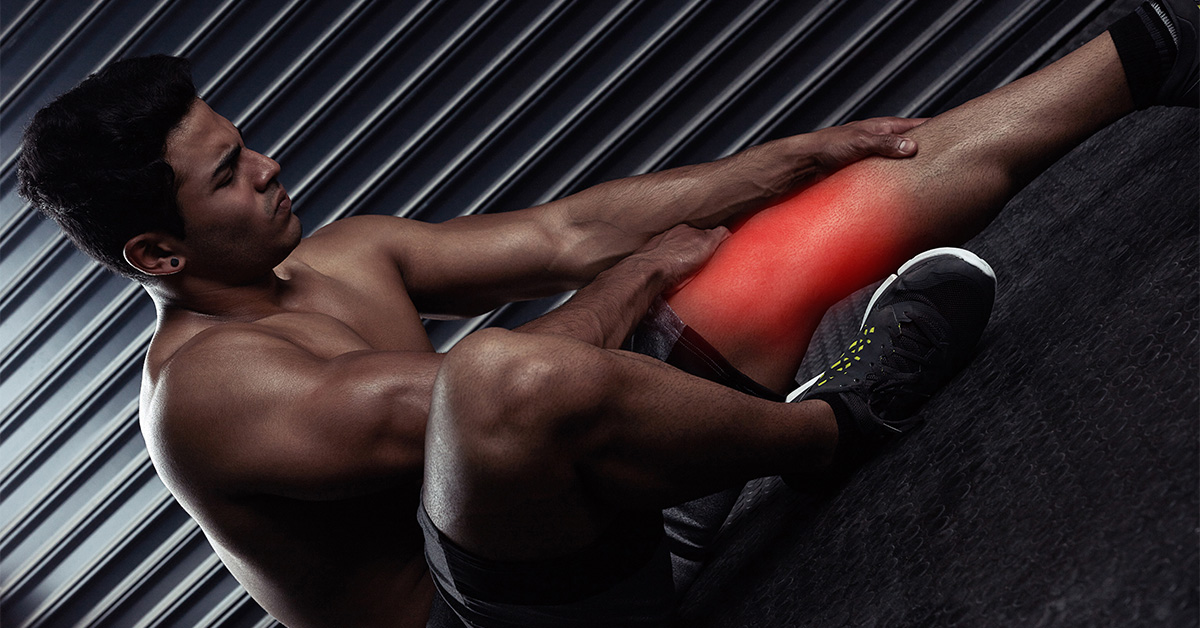
Is My Knee Pain Caused by Arthritis?
Knee pain is a common complaint that can interfere with work, exercise, and everyday activities. One of the most frequent questions people ask is whether their discomfort is related to arthritis or another underlying issue. Understanding how arthritis-related knee pain differs from other causes can help you determine when it’s time to seek medical care and what treatment options may be most effective.
What Is Arthritis?
Arthritis is a broad term used to describe inflammation within a joint. While there are many forms of arthritis, two types are most often associated with knee pain: osteoarthritis and rheumatoid arthritis.
- Osteoarthritis: Often called degenerative or “wear-and-tear” arthritis, osteoarthritis develops when the cartilage that cushions the knee joint gradually breaks down. As the cartilage thins, bones may rub together, leading to pain, stiffness, and reduced mobility.
- Rheumatoid Arthritis: This form of arthritis is an autoimmune condition in which the immune system attacks the joint lining. The result is inflammation, swelling, and joint damage that can occur at any age, not just later in life.
Signs and Symptoms That May Point to Arthritis
If you’re trying to determine whether arthritis is the source of your knee pain, pay close attention to these common indicators:
- Aching or Persistent Pain: Arthritis pain is often described as a deep, ongoing ache. It may worsen with activity and ease somewhat with rest. Osteoarthritis symptoms tend to develop slowly, while rheumatoid arthritis symptoms may progress more quickly.
- Joint Stiffness: Stiffness after sitting for long periods or first thing in the morning is a classic arthritis symptom. In rheumatoid arthritis, morning stiffness may last an hour or longer.
- Swelling and Warmth: Inflammation can cause the knee to swell. Rheumatoid arthritis may also cause warmth or redness around the joint.
- Limited Movement: Arthritis can reduce your ability to fully bend or straighten the knee, making everyday movements more difficult.
- Grinding or Popping Sensations: A cracking or grinding feeling, known as crepitus, is more commonly associated with osteoarthritis as cartilage wears away.
Other Conditions That Can Cause Knee Pain
Not all knee pain is arthritis-related. Several other conditions can produce similar symptoms:
- Acute or Overuse Injuries: Ligament injuries, meniscus tears, or fractures often cause sharp pain and are usually linked to a specific injury or event.
- Tendinitis: Irritation or inflammation of the tendons around the knee can cause pain that worsens with movement.
- Bursitis: Inflammation of the small fluid-filled sacs that cushion the knee joint may lead to localized pain and swelling.
- Patellofemoral Pain Syndrome: Often called “runner’s knee,” this condition causes pain around the kneecap and is commonly associated with overuse or alignment issues.
When to Seek Medical Evaluation
If knee pain persists, worsens, or interferes with daily activities, it’s important to consult a healthcare provider. A thorough evaluation may include a physical exam, a review of your medical history, and imaging studies such as X-rays or MRI scans to identify the cause of your symptoms.
Identifying arthritis early can be especially beneficial, as prompt treatment may help reduce pain, protect joint function, and slow disease progression. Treatment plans vary and may include medication, physical therapy, lifestyle changes, or surgical options in advanced cases.
Ways to Manage Knee Pain
Regardless of the underlying cause, there are several strategies that can help manage knee discomfort:
- Activity Modification: Reduce or avoid movements that aggravate pain and focus on low-impact activities like swimming or cycling.
- Pain Relief Medications: Over-the-counter medications may help control pain and inflammation, while prescription options may be recommended for more severe symptoms.
- Physical Therapy: Targeted exercises can strengthen the muscles around the knee, improve stability, and reduce strain on the joint.
- Weight Management: Maintaining a healthy weight lessens stress on the knees and may slow the progression of joint damage.
- Supportive Aids: Knee braces or orthotic inserts can improve alignment and provide added support.
Determining whether knee pain is caused by arthritis or another condition requires careful attention to symptoms and professional medical evaluation. With an accurate diagnosis and a personalized treatment plan, many people are able to manage their knee pain effectively and maintain an active lifestyle. If your knee pain is ongoing or worsening, reaching out to a healthcare provider is an important step toward finding relief.
Sponsored by Maxx Ortho