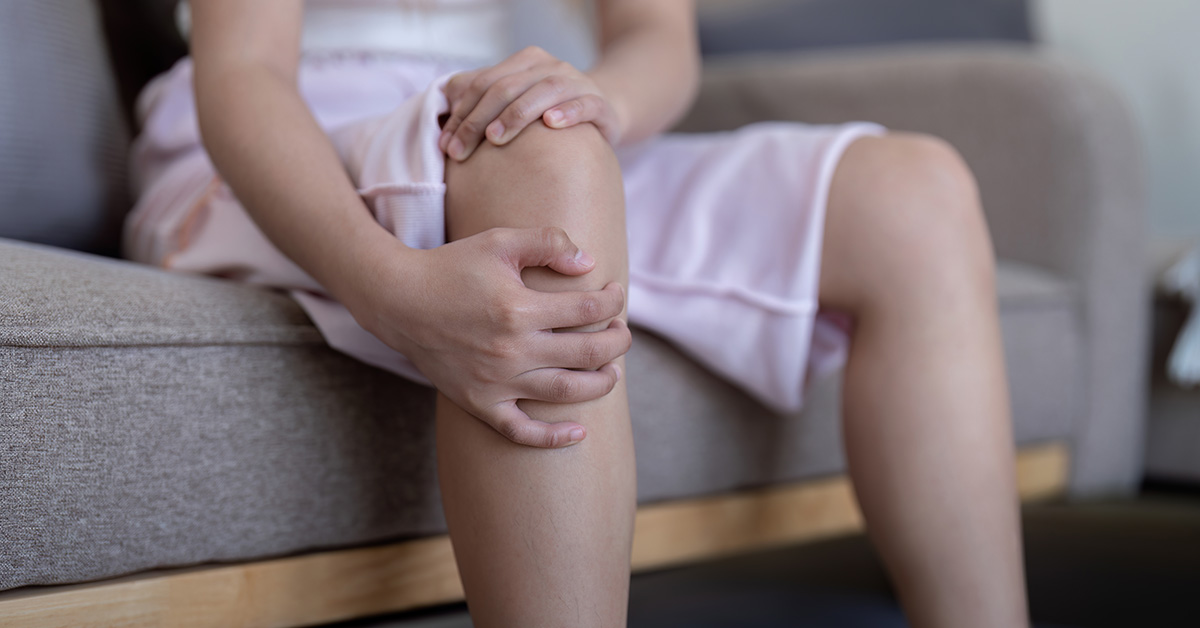
Is Walking a Safe Exercise for Rheumatoid Arthritis in the Knee?
Rheumatoid arthritis (RA) is a chronic autoimmune condition that causes joint inflammation, pain, and stiffness. When the knees are affected, everyday movement can become challenging and uncomfortable. Because staying active is often recommended for joint health, many people with rheumatoid arthritis wonder whether walking helps or harms an inflamed knee. Understanding how walking affects RA can help you make informed decisions about staying active while protecting your joints.
How Walking Can Help Rheumatoid Arthritis
- Supports Joint Movement and Fluid Circulation: Gentle, consistent walking encourages the movement of synovial fluid within the knee joint. This fluid helps nourish cartilage and may reduce stiffness, especially after periods of inactivity.
- Builds Strength Around the Knee: Walking activates muscles in the legs and around the knee joint. Stronger muscles provide better support and stability, which can reduce pressure placed directly on the knee.
- Helps Manage Body Weight: Extra weight places additional strain on knee joints. Walking is a low-impact form of exercise that can help with weight control, easing stress on inflamed joints.
- Improves Mental and Emotional Health: Living with rheumatoid arthritis can be physically and emotionally demanding. Regular walking promotes the release of endorphins, which may help reduce stress and improve mood.
Important Risks and Precautions
- Increased Symptoms During Flare-Ups: During periods of active inflammation, knee pain and swelling may intensify. Walking during a flare-up can worsen symptoms, so activity levels may need to be reduced temporarily.
- Existing Joint Damage: If rheumatoid arthritis has already caused structural damage or joint deformity, walking may place added stress on the knee. In these cases, alternative low-impact exercises or supervised therapy may be more appropriate.
- Footwear and Alignment Matter: Supportive, well-cushioned shoes can help absorb impact and improve alignment. In some cases, orthotics may be recommended to reduce knee strain.
Practical Walking Tips for Knee RA
- Begin at a Comfortable Pace: Start with short walks and gradually increase distance or duration as tolerated.
- Select Even Surfaces: Walking on flat, stable ground helps reduce the risk of falls and minimizes stress on the knee joint.
- Warm Up and Stretch: Gentle stretching before and after walking can prepare the joints for movement and help reduce stiffness afterward.
- Pay Attention to Pain Signals: Mild discomfort can be normal, but sharp pain or increased swelling is a sign to stop and reassess your activity level.
- Schedule Rest and Recovery: Allowing time for rest between walking sessions can prevent overuse and help manage fatigue.
For many people with rheumatoid arthritis in the knee, walking can be a helpful and accessible form of exercise when approached thoughtfully. It offers benefits such as improved joint mobility, muscle support, weight management, and enhanced emotional well-being. However, it’s important to balance activity with rest and adjust walking routines during flare-ups or periods of increased pain. Consulting with a healthcare provider or physical therapist can help ensure that walking is incorporated safely into a personalized rheumatoid arthritis management plan.
Sponsored by Maxx Ortho