Knee Pain Caused by Rheumatoid Arthritis
Rheumatoid arthritis (RA) is a long-term autoimmune condition that commonly affects the joints, including the knees. Unlike degenerative joint conditions that develop from repetitive stress or aging, RA occurs when the immune system mistakenly attacks the synovium—the protective lining surrounding the joints. This immune response leads to inflammation, discomfort, and progressive joint damage. Recognizing how rheumatoid arthritis affects the knees is an important step toward managing symptoms and preserving mobility.
Common Symptoms of RA-Related Knee Pain
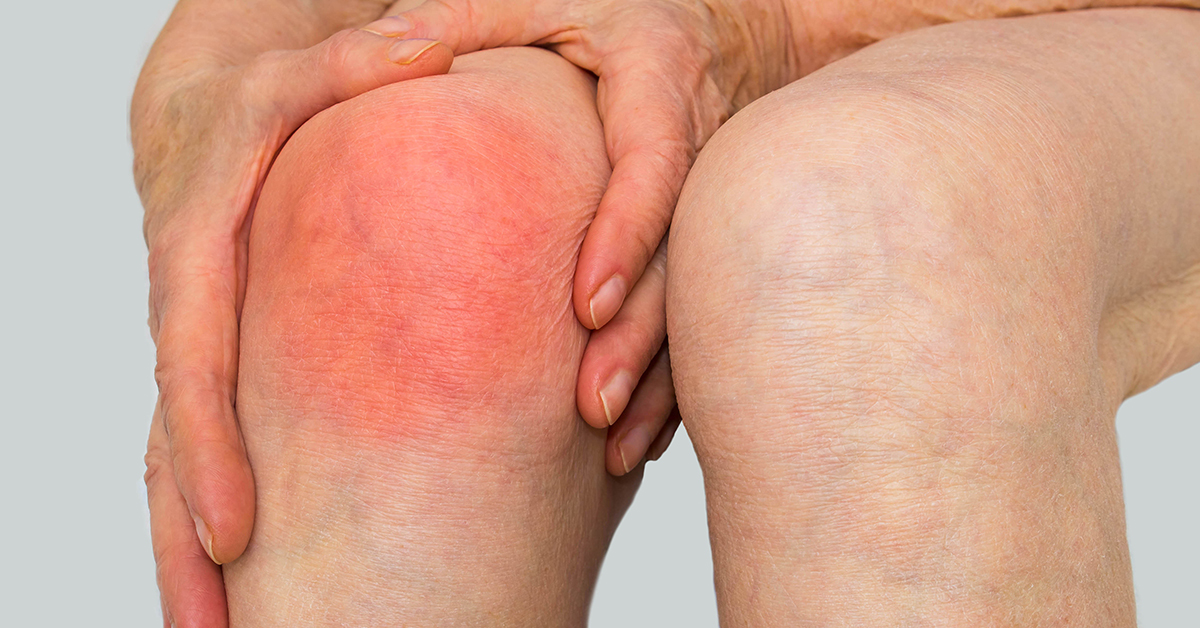
Knee pain associated with rheumatoid arthritis often presents as ongoing discomfort and stiffness, particularly after long periods of rest or upon waking in the morning. The condition frequently affects both knees at the same time, which is known as symmetrical joint involvement. Swelling, warmth, and redness around the knee are also common due to inflammation within the joint.
As inflammation increases, fluid may accumulate in the knee, causing visible swelling and tenderness. Some individuals with RA develop rheumatoid nodules—small, firm lumps that form beneath the skin near affected joints. Over time, unchecked inflammation can damage cartilage and bone, potentially leading to joint deformity, reduced stability, and loss of knee function.
Underlying Causes and Risk Factors
The precise cause of rheumatoid arthritis is not fully understood, but it is believed to result from a combination of genetic predisposition and environmental triggers. Certain genetic markers may increase susceptibility, while factors such as smoking, infections, or exposure to specific bacteria or viruses may activate the disease.
RA is more commonly diagnosed in women than in men, and the likelihood of developing the condition tends to rise with age. Individuals with a family history of rheumatoid arthritis or other autoimmune disorders may also have a higher risk.
How Rheumatoid Arthritis Is Diagnosed
Diagnosing rheumatoid arthritis typically involves a detailed clinical evaluation that includes reviewing symptoms, medical history, and a physical examination. Blood tests are commonly used to identify signs of inflammation, such as elevated erythrocyte sedimentation rate (ESR) or C-reactive protein (CRP).
Additional laboratory testing may reveal antibodies linked to RA, including rheumatoid factor (RF) and anti-cyclic citrullinated peptide (anti-CCP). Imaging studies such as X-rays, ultrasound, or MRI scans can help detect joint inflammation, cartilage loss, and early structural damage. Early detection is critical for slowing disease progression and protecting joint health.
Treatment Approaches for Rheumatoid Arthritis Knee Pain
Managing knee pain caused by rheumatoid arthritis usually requires a combination of treatments aimed at reducing inflammation, controlling symptoms, and preserving joint function.
Medication Options
A variety of medications may be prescribed to help manage RA:
- Nonsteroidal Anti-Inflammatory Drugs (NSAIDs): Used to reduce pain and swelling.
- Corticosteroids: Fast-acting anti-inflammatory medications that can help control flare-ups.
- Disease-Modifying Antirheumatic Drugs (DMARDs): These medications slow disease progression and help prevent joint damage; methotrexate is commonly used.
- Biologic Therapies: Advanced medications that target specific immune system pathways involved in inflammation, such as TNF or IL-6 inhibitors.
Role of Physical Therapy
Physical therapy is an essential part of managing rheumatoid arthritis knee pain. A physical therapist can develop a customized exercise program focused on improving strength, flexibility, and joint stability. Low-impact activities such as walking, swimming, or cycling are often recommended to reduce stress on the knees while maintaining mobility.
Lifestyle Adjustments
Healthy lifestyle choices can make a meaningful difference in managing RA symptoms. Maintaining a healthy body weight helps reduce pressure on the knees, while a nutrient-rich diet that includes anti-inflammatory foods may help control inflammation. Adequate rest, consistent physical activity, and stress-reduction techniques such as mindfulness, yoga, or meditation can further support overall joint health.
Surgical Treatment Options
When rheumatoid arthritis causes significant joint damage and conservative treatments are no longer effective, surgery may be considered. Surgical options may include:
- Synovectomy: Removal of inflamed joint lining to reduce pain and swelling.
- Osteotomy: Bone realignment to relieve pressure on the knee joint.
- Knee Replacement Surgery: Partial or total joint replacement in cases of advanced joint deterioration.
Rheumatoid arthritis-related knee pain can significantly affect daily life, but effective management is possible with early diagnosis and a comprehensive treatment plan. Combining medication, physical therapy, lifestyle changes, and, when necessary, surgical intervention can help reduce pain, protect joint function, and improve quality of life. Working closely with healthcare providers ensures that treatment strategies are tailored to individual needs and long-term goals.
Sponsored by Maxx Ortho